Blog

  • Gundry MD PrebioThrive Reviews: A Closer Look at This Prebiotic Supplement

    Gundry MD PrebioThrive Reviews: A Closer Look at This Prebiotic Supplement

    The wellness industry loves selling bacteria in capsules.

    That’s the headline.
    But it skips the setup.

    Probiotics don’t thrive in a hostile gut. They need fuel. Without it, they pass through and disappear. That’s where prebiotics matter, and why Gundry MD PrebioThrive plays a different game.

    (more…)

  • Dr. Gundry BioSkin Youth Complex Reviews: Benefits, Results, and Side Effects

    Dr. Gundry BioSkin Youth Complex Reviews: Benefits, Results, and Side Effects

    The beauty industry loves quick fixes.

    Creams. Serums. Filters. Cover-ups.

    They all assume aging starts on the outside. It doesn’t. Skin reflects what’s happening inside the gut, the immune system, and the microbiome. When those systems are stressed, skin shows it first. Wrinkles deepen. Elasticity fades. Tone becomes uneven.

    (more…)

  • Gundry MD Dark Spot Diminisher Reviews: Dr. Gundry’s Approach to Fading Dark Spots

    Gundry MD Dark Spot Diminisher Reviews: Dr. Gundry’s Approach to Fading Dark Spots

    Dark spots are stubborn for a reason.

    Most creams chase surface color. They bleach. They strip. They irritate. They ignore what actually causes discoloration in the first place—oxidative stress, UV damage, inflammation, and slowed skin renewal.

    (more…)

  • Bio Complete 3 Reviews: Gundry MD Bio Complete 3, Benefits and Side Effects

    Bio Complete 3 Reviews: Gundry MD Bio Complete 3, Benefits and Side Effects

    Mainstream health advice loves band-aids.

    Fiber powders for constipation. Energy drinks for fatigue. Skincare for breakouts. Pills for cravings. None of it addresses the control center behind these problems.

    The gut decides everything.

    (more…)

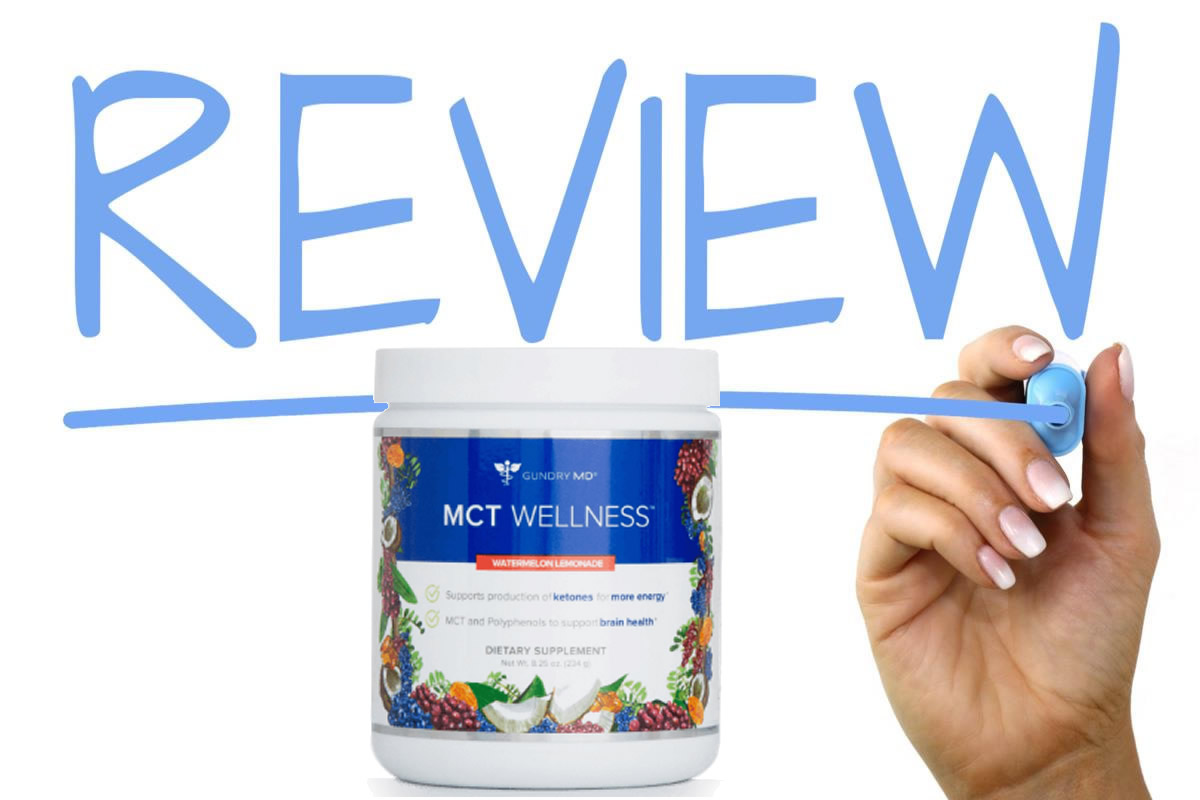
  • MCT Wellness Reviews: How Dr Gundry MCT Wellness Fuels Energy and Focus

    MCT Wellness Reviews: How Dr Gundry MCT Wellness Fuels Energy and Focus

    Modern wellness advice keeps missing the point.

    People are exhausted. Foggy. Stuck. Not because they lack willpower, but because their cells are running on the wrong fuel. Sugar spikes. Crash cycles. Caffeine dependence. That system burns people out fast.

    MCT Wellness flips that model.

    (more…)

  • Gundry Total Restore Reviews: Why Total Restore Dr. Gundry Focuses on Gut Repair

    Gundry Total Restore Reviews: Why Total Restore Dr. Gundry Focuses on Gut Repair

    Most modern health advice dances around symptoms. Pills for energy. Powders for focus. Quick fixes for weight.
    That approach ignores the root.

    The gut runs the show.

    (more…)

  • Dr Gundry Olive Oil Reviews: Why Gundry MD Olive Oil Is Different From Ordinary Oils

    Dr Gundry Olive Oil Reviews: Why Gundry MD Olive Oil Is Different From Ordinary Oils

    Most olive oil on supermarket shelves is tired, diluted, and stripped of what made olive oil valuable in the first place. Heat. Light. Time. Industrial shortcuts.

    Gundry Olive Oil rejects all of that.

    This is not a commodity oil. It’s a deliberate return to how olive oil was meant to function: as a daily health tool. Dr. Gundry Olive Oil is built around polyphenols, not marketing fluff. And that difference shows up fast.

    (more…)

  • How Much Does It Cost to See Dr. Gundry? Consultation Fees and Treatment Expenses

    How Much Does It Cost to See Dr. Gundry? Consultation Fees and Treatment Expenses

    If you’re considering a visit to Dr. Gundry, you might wonder about the costs involved. Initial consultations can range significantly, and ongoing treatments can add up quickly. Understanding the various fees and potential additional expenses is crucial for making an informed decision. As you explore what to expect, you’ll find that there are many factors to consider, including insurance coverage and tailored treatment plans that suit your individual needs.

    Overview of Dr. Gundry’s Practice

    Dr. Gundry’s practice focuses on improving your health through a personalized approach to nutrition and wellness.

    With years of experience, he integrates advanced medical insights with functional medicine principles, aiming to address underlying health issues rather than just symptoms.

    You’ll find that his methods emphasize the importance of a plant-based diet and the elimination of harmful foods.

    In your consultations, he’ll assess your unique health needs, helping you make informed choices that promote long-term wellness.

    Dr. Gundry believes in empowering you with knowledge, providing you with tools to achieve optimal health.

    His practice is committed to fostering a supportive environment where you feel comfortable discussing your health concerns and goals, ensuring that you receive tailored care.

    Initial Consultation Costs

    An initial consultation with Dr. Gundry typically costs around $300 to $500, depending on various factors such as location and specific services offered.

    During this session, you’ll discuss your health history, dietary habits, and any concerns you may have. This thorough assessment helps Dr. Gundry create a personalized plan tailored to your needs.

    It’s essential to note that this fee may vary based on the complexity of your case or additional testing required. Make sure to check with the office for any potential insurance coverage or payment plans available.

    Understanding these costs upfront can help you prepare for your journey toward better health with Dr. Gundry’s guidance.

    Follow-Up Appointment Fees

    Follow-up appointment fees with Dr. Gundry typically range depending on the complexity of your case and the duration of the visit.

    Generally, you can expect to pay between $150 and $300 for these appointments. These sessions are essential for monitoring your progress, making necessary adjustments to your treatment plan, and discussing any concerns you might have.

    It’s important to note that follow-ups are crucial for achieving optimal health outcomes, so budget accordingly. If you’re part of a specific treatment program, you may also find package deals that could lower your overall costs.

    Always check with the office for the latest pricing and any potential changes to fees, ensuring you’re fully informed before your appointment.

    Cost of Nutritional Testing

    Nutritional testing costs can vary significantly based on the types of tests conducted and the specific assessments required for your health needs.

    Generally, basic tests might range from $100 to $300, while more comprehensive evaluations could reach up to $1,000 or more.

    Factors influencing these costs include the complexity of the tests, the laboratory fees, and whether the tests are covered by your insurance plan.

    It’s essential to discuss your specific requirements with Dr. Gundry’s team to get a clearer idea of the expected costs.

    Treatment Plans and Their Expenses

    When considering treatment plans with Dr. Gundry, you’ll find a variety of options tailored to your specific health needs. Each plan typically includes a comprehensive assessment of your nutritional habits and lifestyle.

    Depending on the complexity of your condition, the expenses can range significantly. Basic plans may start around a few hundred dollars, while more extensive protocols could reach several thousand.

    It’s essential to discuss your goals and concerns during your initial consultation, as this will help determine the most suitable plan for you. Dr. Gundry emphasizes personalized treatments, so you can expect to invest not just financially, but also in your overall health journey.

    Always review the details to ensure you’re fully aware of your treatment costs.

    Supplements and Special Products

    As you explore treatment options with Dr. Gundry, you might come across a range of supplements and special products tailored to support your health journey.

    These products, which include unique formulations designed to enhance your overall well-being, are often integral to the treatment plans Dr. Gundry recommends.

    Prices can vary based on the specific supplement or product, so it’s essential to discuss their costs during your consultation.

    Many patients find that investing in these supplements can significantly contribute to their health improvements.

    Be sure to inquire about the efficacy and sourcing of each product, as this information can help you make informed choices that align with your health goals.

    Insurance Coverage and Payment Options

    Understanding your insurance coverage and payment options is crucial before your consultation with Dr. Gundry. Many insurance plans may not cover specialized consultations or treatments related to functional medicine. It’s essential to check with your provider to see if any services are eligible for reimbursement.

    If you’re uninsured or your plan doesn’t cover these services, you’ll need to explore alternative payment options. Dr. Gundry’s office often accepts various forms of payment, including credit cards and health savings accounts.

    Additionally, inquire about payment plans or financing options that may help you manage costs more comfortably. Being proactive about your financial responsibilities will ensure a smoother experience when seeking Dr. Gundry’s expertise.

    Additional Costs to Consider

    Several additional costs may arise during your consultation with Dr. Gundry. You might encounter fees for specialized tests or lab work that aren’t included in your initial consultation price.

    Supplements and dietary products recommended during your visit can also add to your expenses. If you choose to participate in any of Dr. Gundry’s programs or workshops, those fees will need to be factored in as well.

    Keep in mind that follow-up appointments can incur their own costs, depending on the services provided. It’s a good idea to ask about any potential extra charges upfront, so you can budget accordingly and avoid unexpected expenses during your journey toward better health.

    Discounts and Promotions

    When planning your visit to Dr. Gundry, it’s worth checking for any discounts and promotions that may be available. Many clinics, including Dr. Gundry’s, often offer special rates for first-time patients or seasonal promotions that can help reduce your overall costs.

    Signing up for newsletters or following their social media channels can keep you updated on these offers. Additionally, some health insurance plans might cover certain treatments or consultations, so don’t forget to inquire with your provider.

    If you’re part of a health-focused community or organization, they might’ve partnerships that provide exclusive discounts for members. Taking advantage of these opportunities can make your experience more affordable while still receiving quality care.

    Patient Experiences and Testimonials

    Many patients have shared their experiences after visiting Dr. Gundry. They often highlight his personalized approach, noting that he takes the time to listen to their concerns and tailor treatments accordingly.

    Many appreciate the comprehensive assessments, which include detailed discussions about diet and lifestyle changes. Patients frequently report positive outcomes, such as improved energy levels and better overall health after following Dr. Gundry’s recommendations.

    Testimonials also emphasize the supportive staff, which helps create a welcoming environment.

    While some patients mention the costs involved, they often feel that the investment is justified by the health improvements they experience.


  • What Foods Does Dr. Gundry Say to Avoid? The Complete Lectin-Containing Foods List

    What Foods Does Dr. Gundry Say to Avoid? The Complete Lectin-Containing Foods List

    Navigating the food landscape can feel like walking through a minefield, especially when it comes to lectins. Dr. Gundry highlights several foods that might disrupt your gut health and overall well-being. From grains that can wreak havoc on digestion to surprising culprits like nightshade vegetables, knowing what to avoid is crucial. Curious about which specific items you should steer clear of to improve your health? Let’s break it down.

    Understanding Lectins: What They Are and How They Affect Your Health

    While you mightn’t realize it, lectins are a type of protein found in many foods, and they can significantly affect your health. These proteins bind to carbohydrates, potentially interfering with nutrient absorption and causing digestive issues.

    In some individuals, lectins may trigger inflammation or an autoimmune response, leading to various health concerns. Foods high in lectins include certain grains, nightshade vegetables, and legumes.

    Cooking methods, like soaking and boiling, can reduce lectin levels, making these foods safer to consume. However, if you experience gastrointestinal discomfort or other symptoms, it might be wise to limit lectin-rich foods.

    Understanding your body’s response to these proteins can empower you to make informed dietary choices that support your overall well-being.

    Legumes and Pulses: The Hidden Dangers

    Legumes and pulses, often touted as healthy protein sources, can pose hidden dangers due to their high lectin content. These proteins, found in foods like beans, lentils, and peas, can disrupt your gut lining and lead to inflammation.

    When consumed in their raw or undercooked state, lectins may cause digestive issues and interfere with nutrient absorption. Even cooking doesn’t eliminate all lectins, which is why soaking and boiling is crucial.

    If you’re sensitive, you might experience symptoms like bloating or discomfort after eating them. While legumes can be nutritious, it’s important to be aware of their potential effects on your health.

    Consider alternative protein sources, especially if you’re experiencing gut-related concerns.

    Nightshade Vegetables: A Surprising Source of Lectins

    Nightshade vegetables, which include tomatoes, potatoes, eggplants, and peppers, are often staples in many diets, but they also contain significant amounts of lectins.

    These proteins can potentially disrupt your gut health and contribute to inflammation, especially if you’re sensitive to them. Research suggests that consuming high amounts of lectins may lead to digestive issues and other health problems.

    If you’ve noticed discomfort after eating these vegetables, it might be worth reducing your intake. Consider experimenting with alternatives like squash or zucchini, which are lower in lectins.

    Always remember to listen to your body; if nightshades cause you issues, it’s wise to avoid them for better overall wellness.

    Grains: Common Culprits to Avoid

    After considering the impact of nightshade vegetables, it’s important to examine another group that can affect your health: grains.

    Many grains, particularly wheat, barley, and rye, contain lectins that can disrupt gut health and lead to inflammation. You mightn’t realize that even seemingly healthy options like quinoa and brown rice can also harbor these problematic compounds.

    Dr. Gundry suggests avoiding these grains to reduce potential health risks, especially if you struggle with digestive issues or autoimmune conditions.

    Instead, consider alternatives like cassava or almond flour, which are lectin-free. By making these adjustments, you can better support your gut health and overall well-being.

    Dairy Products: Are They Safe?

    Are dairy products truly safe for your health? Dr. Gundry suggests that many dairy products may not be the best choice for everyone. While some people tolerate dairy well, others may experience digestive issues due to lactose or the presence of lectins in certain dairy items.

    Full-fat dairy, like cheese and yogurt, can be nutrient-rich, but it’s essential to choose high-quality sources. Gundry often recommends avoiding conventional milk and processed dairy, as these can contain additives and hormones that might contribute to inflammation or other health problems.

    If you’re considering dairy, pay attention to how your body responds and opt for organic or grass-fed options when possible. Ultimately, it’s about finding what works best for you.

    Other Foods to Watch Out For

    While you might enjoy a variety of foods, there are several that Dr. Gundry advises you to watch out for.

    In addition to dairy, he suggests steering clear of certain grains, especially wheat and corn, which contain problematic lectins.

    Peanuts and other legumes can also be troublesome, as they may lead to inflammation and digestive issues.

    Certain nightshades, like tomatoes and eggplants, should be consumed cautiously due to their lectin content.

    Additionally, processed foods often contain harmful additives that can disrupt gut health.

    By being mindful of these foods, you can make healthier choices and support your overall well-being.

  • Is Dr. Gundry for Real? Separating Fact From Fiction in His Health Claims

    Is Dr. Gundry for Real? Separating Fact From Fiction in His Health Claims

    Dr. Gundry claims that eliminating lectins can lead to significant health improvements, a notion that sparks both interest and skepticism. Many people report feeling better after following his diet, but experts urge caution, highlighting the need for a nuanced understanding of nutrition. With scientific backing often lacking, it raises the question: how much of Gundry’s advice is grounded in fact? Exploring the evidence and expert opinions might just reveal more than you expect.

    The Background of Dr. Steven Gundry: a Journey From Heart Surgeon to Health Guru

    Although many know Dr. Steven Gundry as a controversial health figure, his journey began as a heart surgeon.

    After years performing surgeries, he observed that many patients didn’t achieve lasting health improvements despite medical interventions. This led him to explore alternative approaches to health and nutrition, ultimately shifting his focus to diet.

    He became interested in the role of food in preventing disease, particularly how certain foods can impact heart health. Dr. Gundry published books outlining his findings and proposed dietary strategies, such as reducing lectins, that he claims can enhance well-being.

    His transition from a traditional medical practice to a health guru reflects a significant shift in his philosophy, aiming to empower individuals to take control of their health through informed dietary choices.

    Understanding Lectins: Are They Really the Villains of Our Diet?

    Dr. Gundry emphasizes that lectins, proteins found in many plants, are harmful to your health.

    While it’s true that some people may experience digestive issues or inflammatory responses to lectins, most research indicates that these proteins aren’t inherently bad for everyone.

    In fact, many lectin-containing foods, like beans and whole grains, are rich in nutrients and have been linked to various health benefits.

    Cooking methods, such as soaking and boiling, can significantly reduce lectin content, making these foods safer to consume.

    Instead of vilifying lectins, it’s essential to focus on a balanced diet.

    Individual sensitivities do exist, so if you notice adverse reactions, consider consulting with a healthcare professional before making drastic dietary changes.

    Analyzing Dr. Gundry’s Longevity Claims: What Does the Science Say?

    What makes the difference between a long, healthy life and a shorter one? Dr. Gundry claims that dietary practices, particularly his focus on lectin avoidance, play a crucial role in longevity.

    However, the scientific community urges caution. Studies suggest that a balanced diet rich in fruits, vegetables, whole grains, and healthy fats is key to longevity. While Gundry emphasizes certain foods over others, evidence shows that overall dietary patterns matter more than singling out specific components.

    Additionally, lifestyle factors like physical activity, stress management, and social connections are equally important for longevity.

    Ultimately, while Gundry’s suggestions may resonate with some, relying solely on his claims without considering broader scientific evidence could lead to an incomplete understanding of what promotes a long, healthy life.

    Heart Health and Diet: Evaluating Gundry’s Recommendations

    When it comes to heart health, many people look for dietary guidance that can make a real difference.

    Dr. Gundry emphasizes the importance of reducing lectins, which he claims may contribute to inflammation and heart disease. While some studies support this idea, the evidence isn’t definitive. Whole grains, legumes, and certain vegetables, often labeled as high in lectins, are also linked to heart health benefits.

    Gundry recommends a diet rich in healthy fats, like olive oil and avocados, which aligns with guidelines from the American Heart Association. Balancing his suggestions with established dietary recommendations can help you make informed choices.

    Ultimately, it’s wise to consult healthcare professionals before making significant dietary changes for your heart health.

    The Controversy Surrounding Dr. Gundry: Expert Opinions and Public Reception

    Despite the growing popularity of Dr. Gundry, his health claims spark significant controversy. Many experts express skepticism, pointing out that some of his dietary recommendations lack robust scientific backing. Critics argue that his emphasis on lectins oversimplifies complex nutritional science.

    However, supporters claim that his approach has helped many achieve better health outcomes. Public reception varies widely; some fans praise his books and podcasts for transforming their diets, while others question the validity of his assertions.

    This divide highlights the need for critical evaluation of health advice. Ultimately, it’s wise to consult healthcare professionals before making drastic dietary changes based on any single figure, including Dr. Gundry, to ensure a balanced and informed approach to your health.